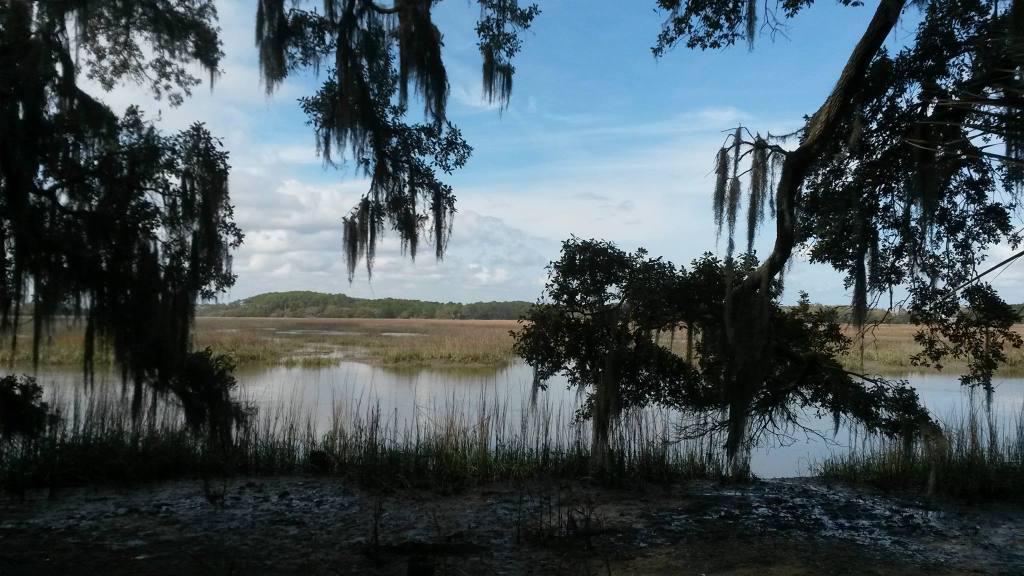
South Carolina started as a one week vacation destination in the spring of 1993. Yet a combination of circumstances and my love of the Lowcountry has led me to spend every winter there since I retired in 2014. There is more to South Carolina than the Lowcountry, but it is the Lowcountry which brings me back every year to spend the winter.
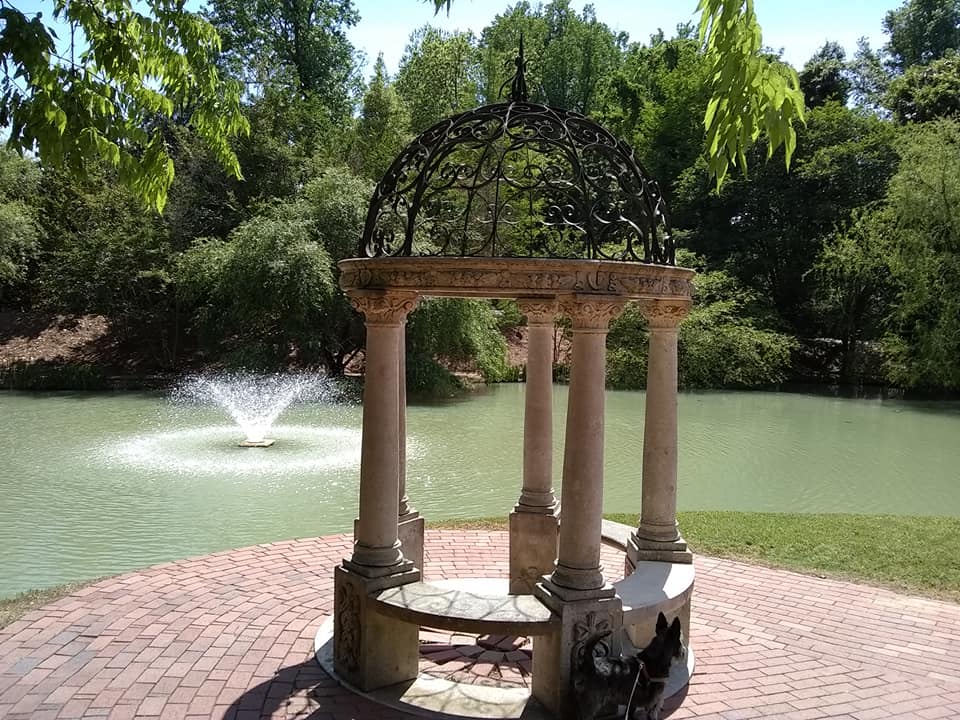
Before I talk about my love affair with the Lowcountry, I must mention two other corners of South Carolina. The first is Aiken in northwestern South Carolina just across the border from Augusta, Georgia. I detoured there for a short visit in May, 2019, as I was traveling home to Campobello for the first time on my own. My purpose was to attend a horse show because Aiken is known as horse country. The horse show was great but I also found a delightful town with lovely parks, good restaurants and an exceptional downtown for strolling. One of my delightful memories is sitting under an arbor of May blooming white jasmine on a warm May evening after eating a delicious dinner at a nearby restaurant. https://www.maliasrestaurant.com/about-us/
My second corner of South Carolina was discovered in May, 2021, when I visited Landsford Canal State Park to see the Rocky Shoals Spider Lilies in peak bloom. https://southcarolinaparks.com/landsford-canal The park is located near Rock Hill close to the North Carolina border in the northeast corner of the state. An easy mile hike along the Catawba River takes you to one of the largest masses of Rocky Shoals lilies in the world. They are a gorgeous white lily that literally grows out in the river. Taking an overnight trip from Charleston to Columbia, I positioned myself to take an early morning drive out to see the lilies. Then I took the long way home to Charleston and stopped at Congaree National Park, an underused national park but a very interesting one. It is known for its hardwood forest and for its May exhibition of synchronous lightning bugs. I arrived in the late afternoon before the display. Only a limited number of people with reservations are allowed in during the May nights when the fireflies put on their show. https://www.nps.gov/cong/index.htm

My first encounter with the Lowcountry came when April school vacation in 1993 brought Harold, Megan, and me to Kiawah Island outside Charleston. We rented a condo and spent a week on the beach and exploring the plantations and gardens of the Lowcountry. We enjoyed ourselves, but it did not go to the top of the list of places where we would return. Frankly the prices and ambience of the gated community at Kiawah were a little too luxurious and too much golf for us. https://kiawahresort.com/ Almost twenty years went by before we returned for another vacation and then we went to a place very much unlike Kiawah.
In 2011 when Harold made his road trip with Wallie https://travelswithwallie.blogspot.com/ he stopped at Edisto Beach on the recommendation of some friends. It turned out to be the perfect place for us. Every winter from 2012 forward we rented a winter beach house on Edisto for at least one month, low key and comparatively inexpensive. After 2014 our plan was to spend the entire winter there. Harold loved it, Wally loved it, and I continue to love the Beach. Both Harold and Wallie spent their last days at Edisto Beach. In the winter of 2017 Harold developed head and neck cancer and received treatment at the Medical University of South Carolina. As our winter stay in 2017 was drawing to a close we realized that Harold’s illness was going to require ongoing treatment that would bring us to Charleston at various times during year, not just in the winter. We rented a small apartment in Charleston, our pied-a-terre. After Harold died at the end of 2018, Wallie and I continued to live at the apartment in Charleston for about six months of the year and also at the beach house for three of those months. Wallie died on February 20, 2022, and now it is just me and my bike at Edisto Beach. I still have the apartment in Charleston. Who knows where I will spend my winters in the future? It will not be where there is ice, of that fact I am quite sure.
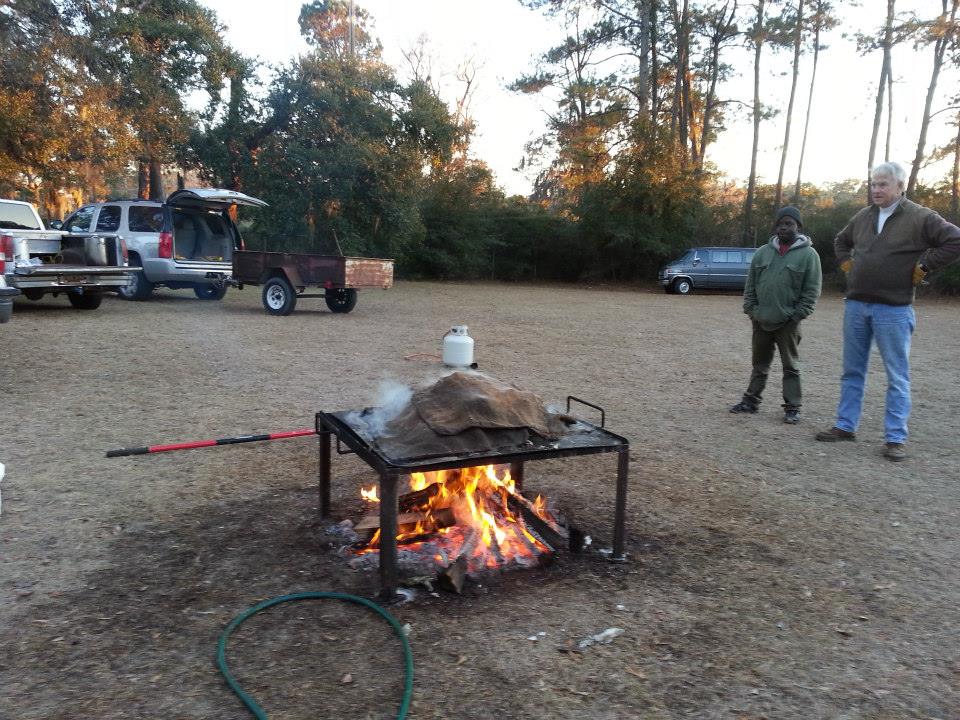
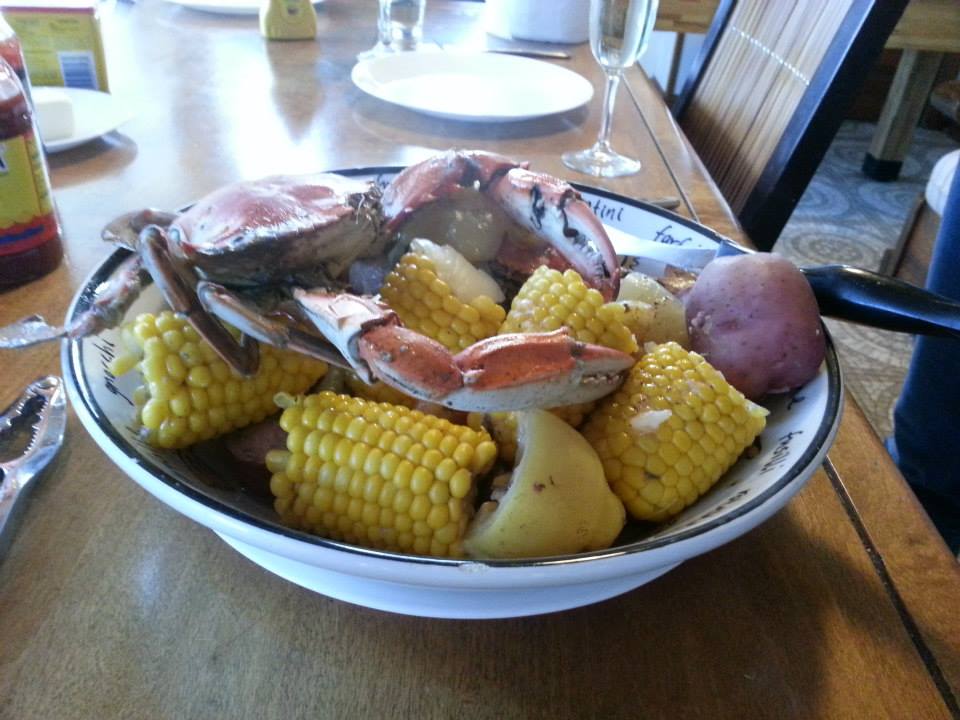
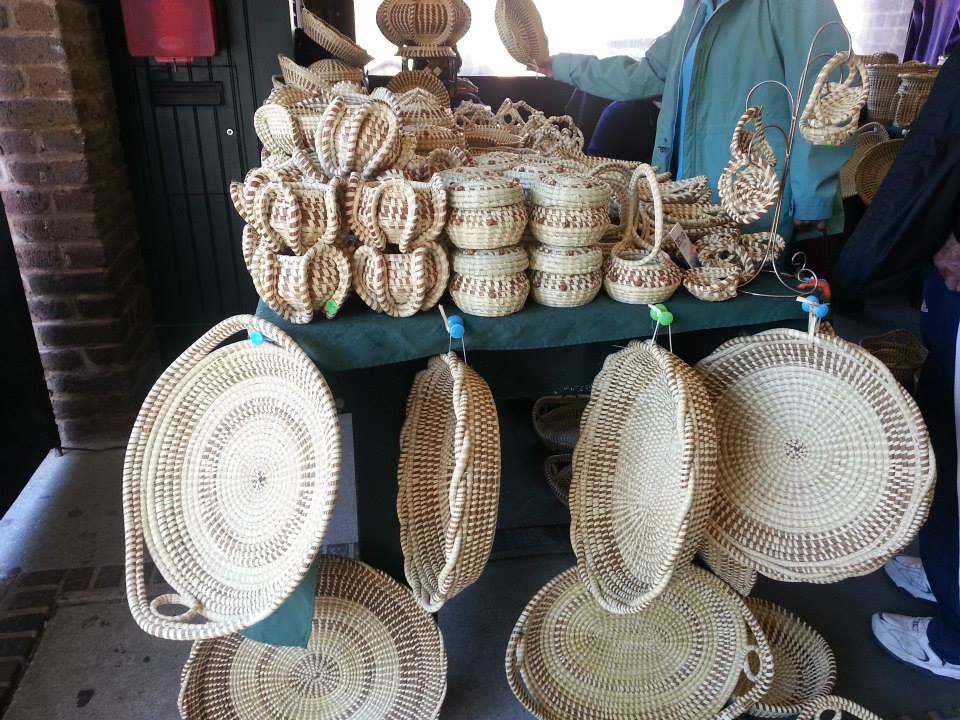
The Lowcountry is a geographic and cultural region along South Carolina’s coast, including the Sea Islands. The Gullah culture and language developed by the native Africans who were relocated to Lowcountry survives to present day. Edisto is one of those sea islands where rice, indigo, and cotton flourished in the 18th and 19th centuries. First came rice, planted not by the men called “planters” but by enslaved people brought from Africa. Many of the men who were brought to the Sea Islands were the modern-day equivalent of engineers who understood how to flood fields and construct thousands of acres of irrigated rice fields. Then a white woman, Eliza Lucas Pinckney, decided to grow indigo commercially in South Carolina. https://www.womenhistoryblog.com/2008/09/eliza-lucas-pinckney.html Until the market collapsed in Europe in the second half of the 18th century, it was a valuable crop. Once more enslaved African people provided the know-how and back breaking labor for the endeavor.
And then as we all learned in school, cotton became King until the boll weevil struck in the 1920’s. Sea Island cotton was especially prized and valuable. I won’t belabor the obvious but you know who provided the labor and skills necessary to successfully grow that crop. If you want to learn about Reconstruction Era cotton growing on Edisto Island, I recommend a visit to the Hutchinson House on Point of Pines Road where the land trust is in the process of restoring the homestead of a successful Reconstruction Era cotton farmer. Educate yourself about what really happened in the South during Reconstruction and before the advent of Jim Crow. https://edisto.org/protected-property/hutchinson-house/ Even more of the history of the Reconstruction Era can be learned by visiting Penn Center on St. Helena’s Island and the other historical sites preserved in a national historical park with separate sites in the vicinity of Beaufort, South Carolina. https://www.nps.gov/reer/index.htm I am intrigued by the complex history of South Carolina and by the numerous historical events and people of which I had no knowledge until I moved here. The “Lost Cause” mythology and the success of “Gone With the Wind” deprived me of an important part of this nation’s history.
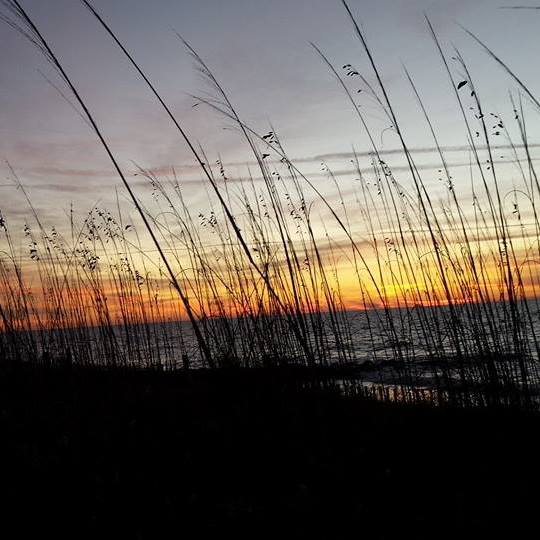
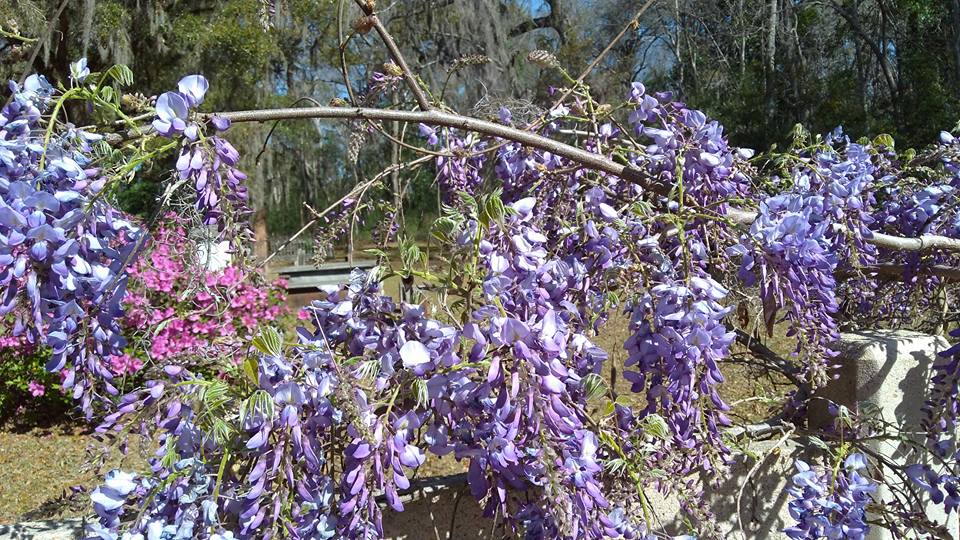
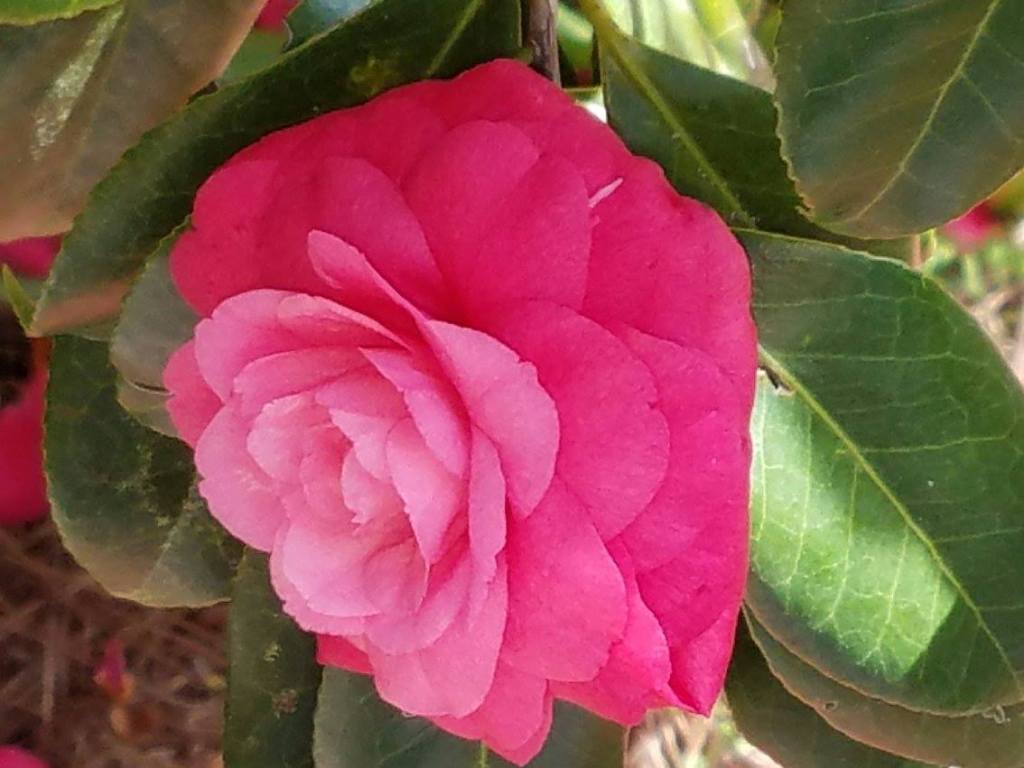
As much as I love the history, the Lowcountry is also about food, gardens, and people. I have made valuable friends here and eaten at great restaurants in Charleston. I have also enjoyed visits from many Maine friends and I never tire of showing them the wonders of the Lowcountry. And the gardens, especially the camellias blooming in winter, take my breath away. I will never understand why people drive south all the way to Florida for the winter when the Charleston area Lowcountry is a day’s drive closer. Even though it can be chilly in the winter, snow and ice are not regular visitors. It is a fine winter retreat.
 Memories - A Second Chance at Happiness